
Natural Diamonds in Lebanon: GIA and HRD Certified
A natural diamond formed in the earth, not in a reactor, and in Lebanon the difference now matters: lab-grown stones are sold here too, and the two look identical. Every stone in our certified loose diamonds collection is natural, graded by GIA or HRD and held in Beirut, and so is the centre stone of every engagement ring we make. Here is how to know, and check, that a diamond is natural.
Natural diamonds in stock in Beirut
51 stones in stock, from $440 to $23,500 Updated 21 October 2026
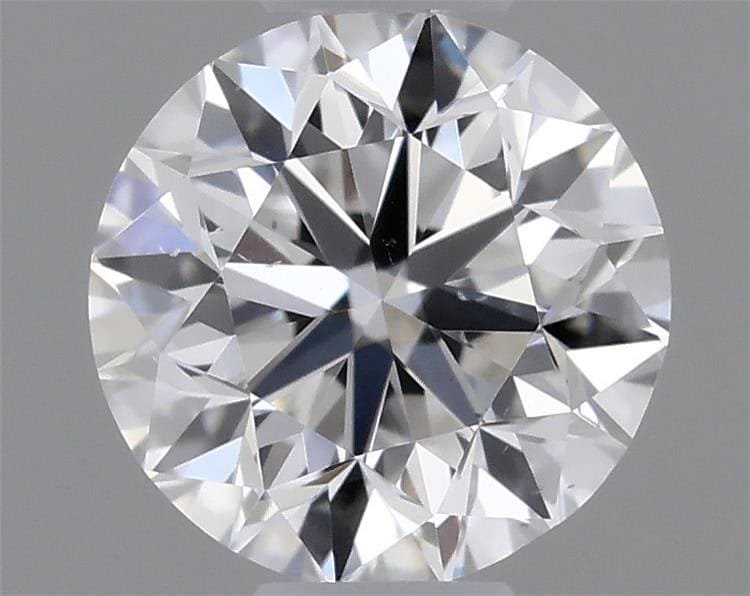
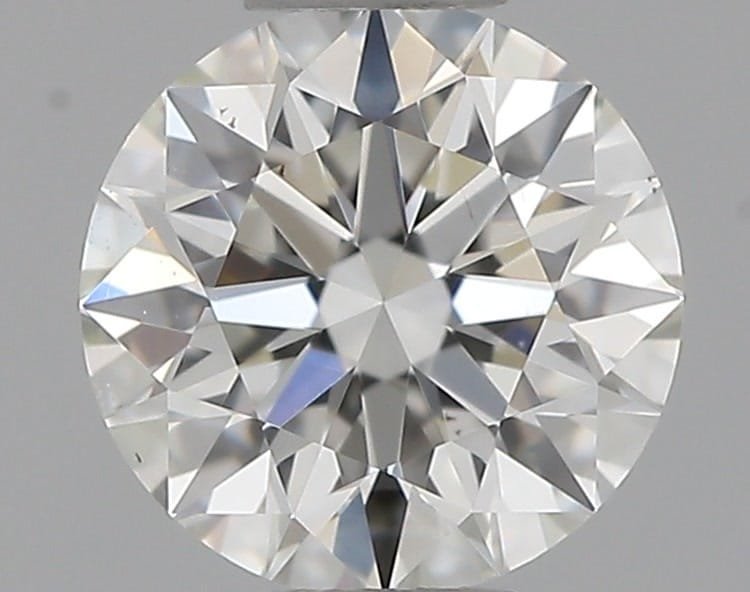
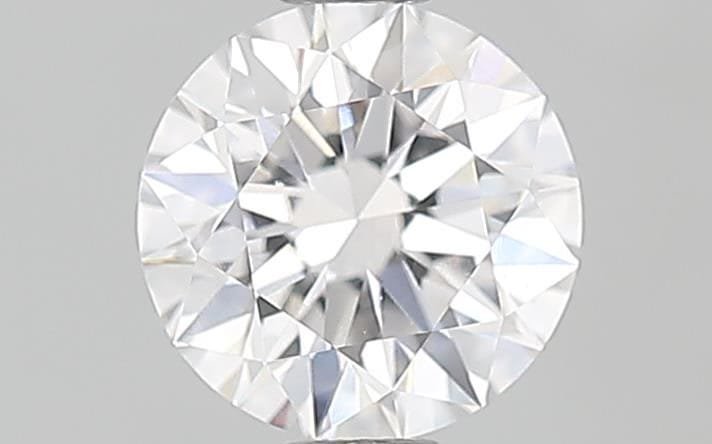
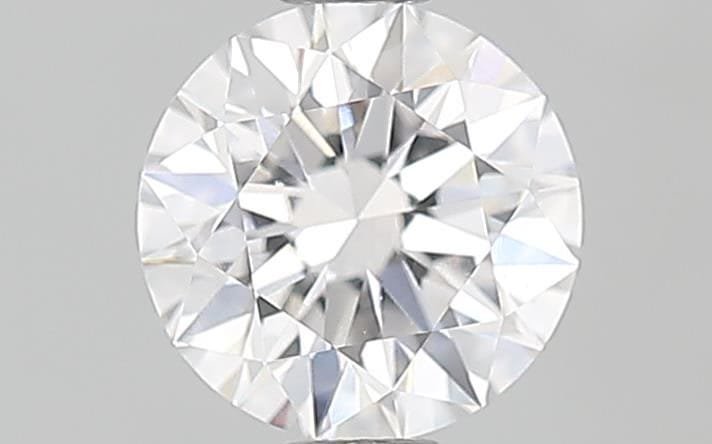
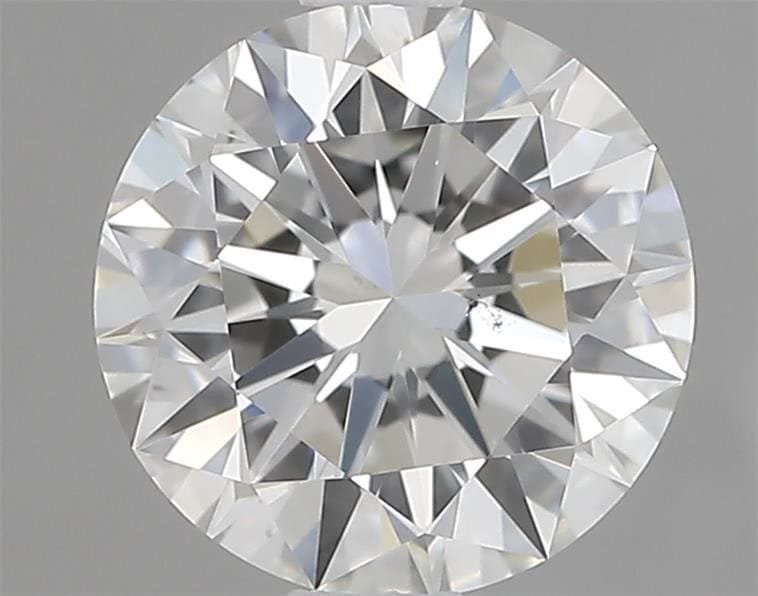
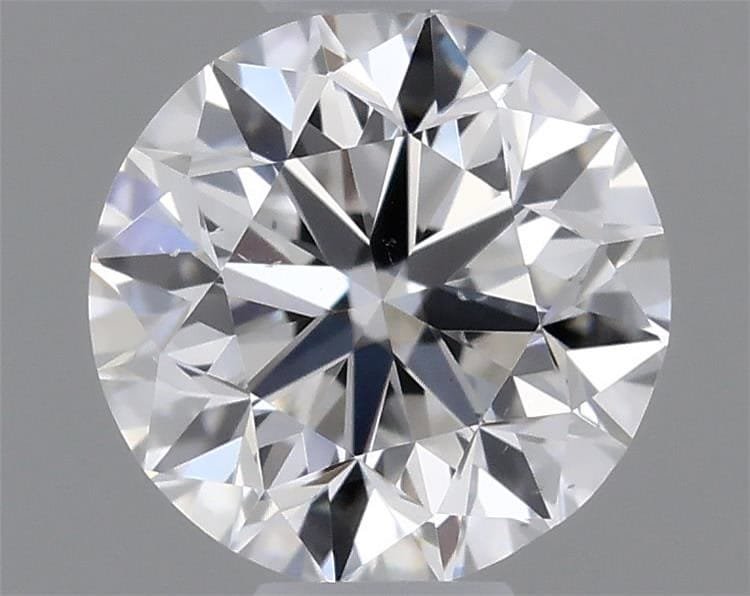
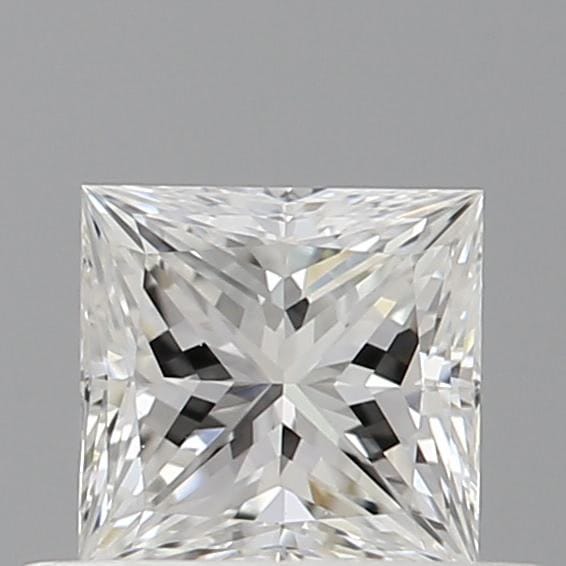
Real stones from our Beirut stock, sorted by price, each with its GIA or HRD report and a 360° video. Delivery is free and insured across Greater Beirut.
What makes a diamond natural
A natural diamond is carbon that crystallised under immense heat and pressure in the earth’s mantle, more than a hundred kilometres down, before volcanic eruptions carried it upwards. Three other things are often confused with it:
- Lab-grown diamonds are real diamond, grown in a reactor in weeks. They are not fakes; their origin differs.
- Simulants such as cubic zirconia and moissanite only imitate diamond. They are different materials.
- Treated diamonds are natural stones whose colour or clarity was altered after mining. A credible report notes any treatment it detects.
How a GIA or HRD report shows a diamond is natural
By eye, and even under a loupe, a natural and a lab-grown diamond of the same grades look the same, and a basic tester confirms only that a stone is diamond. Origin is identified by gemmological laboratories with specialised equipment, which is why the report matters more than any sales talk.
GIA and HRD both grade lab-grown stones on a separate report whose title and wording state the laboratory-grown origin. A natural stone carries the laboratory’s standard diamond grading report, with no such wording. Read the title, any statement of origin and the comments, where treatments are noted, then check the report number on the laboratory’s own website.
Why we sell natural diamonds only
Lab-grown diamonds are beautiful, and for some buyers they are the right choice; we compare the two honestly in lab-grown vs natural diamonds in Lebanon. We chose to hold one kind of stone:
- No doubt about what is in the box. Every diamond we hold is natural, and its GIA or HRD report says so.
- A price you can check. Natural diamonds trade against the Rapaport list, the benchmark the whole trade uses, so each stone’s price sits beside it. See how we price.
- Meaning. Many couples want a stone that was found, not made.
What we will not do is promise future value: prices of every kind of diamond move, as our answer to whether diamonds hold their value explains.
How to verify a natural diamond before you pay
- Buy from a reputable dealer who states the stone’s origin in writing.
- Check the GIA or HRD report number on the laboratory’s website, as our guide to verifying a certificate online shows.
- Watch a 360° video of the actual stone, so you judge the diamond and not only its paper.
- Do not rely on home tests: fog, water and scratch tests cannot reveal origin, as our guide on how to tell if a diamond is real explains.
We send every certificate and 360° video on WhatsApp before you reserve; you see the stone in person when you pay and collect, by appointment in Beirut.
Natural diamond engagement rings
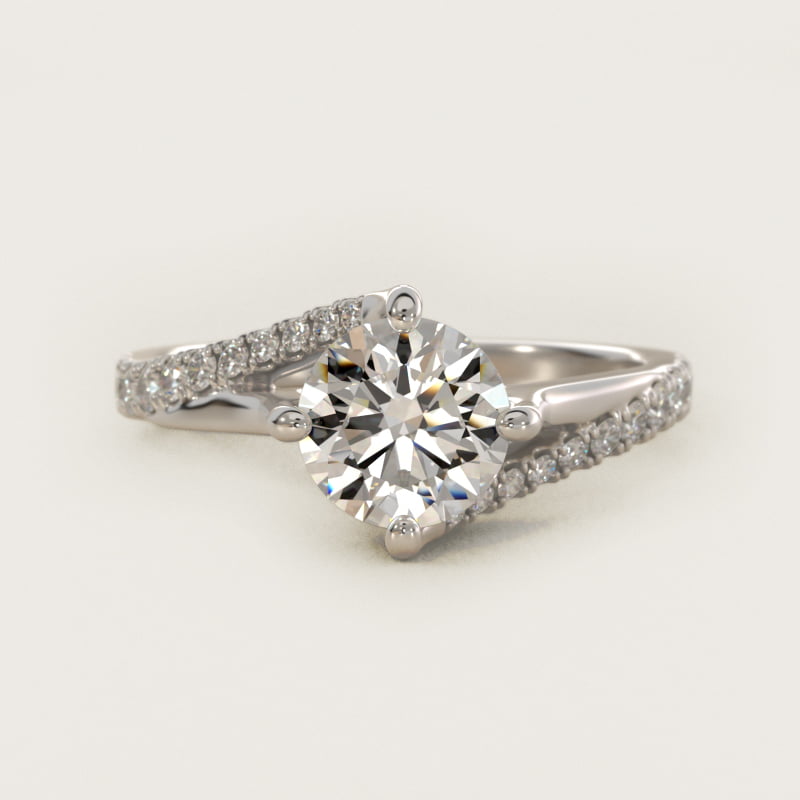
Every setting is made to order in Beirut, in 18K gold or platinum, in about a week to ten days. Browse our engagement rings in Lebanon, or pair a stone and a setting in build your ring.


Browse all 227 engagement ring settings
What a natural diamond costs today
Price depends on cut, colour, clarity, carat and shape. Our diamond prices in Lebanon today page lists from-and-to prices by carat and shape, generated from the stones in stock. A stone we do not hold can be sourced to your specification, typically within two to three weeks.
Common questions about natural diamonds in Lebanon
Are all diamonds at diamonds.com.lb natural?
Yes. Every diamond we sell is natural and graded by GIA or HRD; no lab-grown stone is offered for sale. Each report number can be checked on the laboratory’s own website, and we send the certificate and 360° video on WhatsApp.
Can a jeweller tell a natural diamond from a lab-grown one by eye?
No. Neither the naked eye nor a loupe separates them, and a basic tester only confirms that a stone is diamond. Origin is established by gemmological laboratories, so your protection is a GIA or HRD report checked online and a dealer who states the origin in writing.
Does the certificate say whether a diamond is natural?
Yes, through the type of report. GIA and HRD grade lab-grown stones on a separate report that states the laboratory-grown origin, while a natural stone carries the standard diamond grading report. Read the title and comments, then confirm the number on the laboratory’s website.
Do natural diamonds hold their value?
No one can honestly promise that. Natural diamonds trade against a benchmark the whole trade uses, but prices move and a retail purchase is not an investment. We make no promise about resale or future value: choose a diamond for its beauty and meaning.
Where can I buy a real diamond in Beirut?
diamonds.com.lb holds natural GIA- and HRD-certified diamonds as physical stock in Beirut. Choose online or on WhatsApp, reserve with a deposit, then pay and collect by appointment in Beirut, or receive free insured delivery within Greater Beirut, typically in 24 to 48 hours.