
GIA-Certified Diamonds in Lebanon
When someone in Lebanon asks us for a GIA certified diamond, they are really asking for one thing: certainty. They want to know the stone in front of them is exactly what it is sold as, graded by the most trusted laboratory in the world, with a report they can check themselves. That is the standard we work to every day. We are a Beirut diamond house dealing in natural, certified loose diamonds and handcrafted engagement rings, and every stone we hold carries an independent grading report you can verify before you commit to anything.
GIA certified diamonds in stock now
36 stones in stock, from $440 to $7,000 Updated 22 October 2026
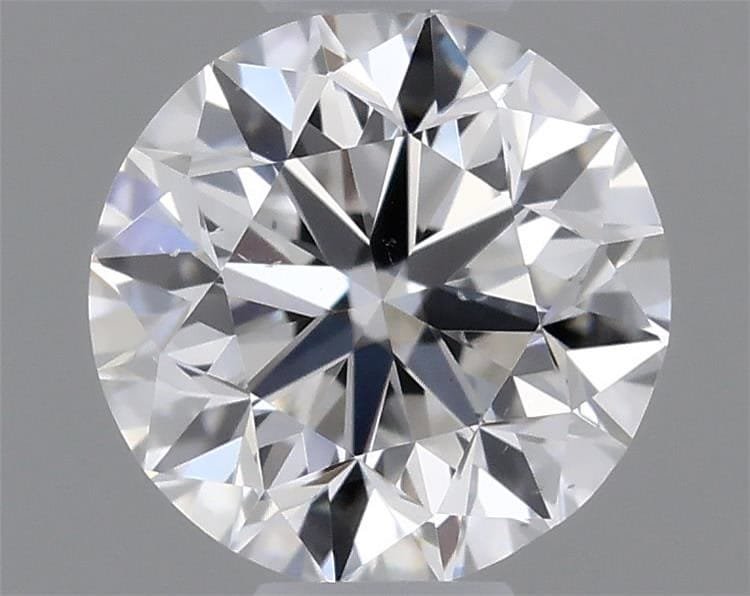
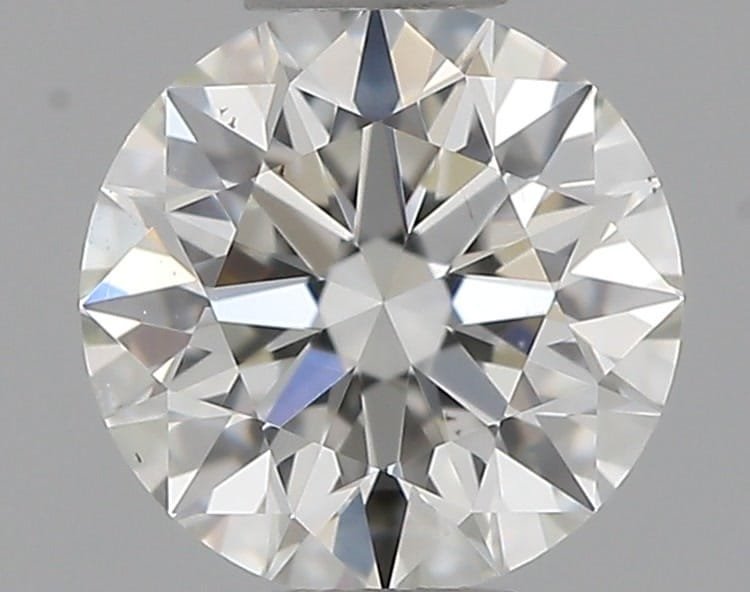
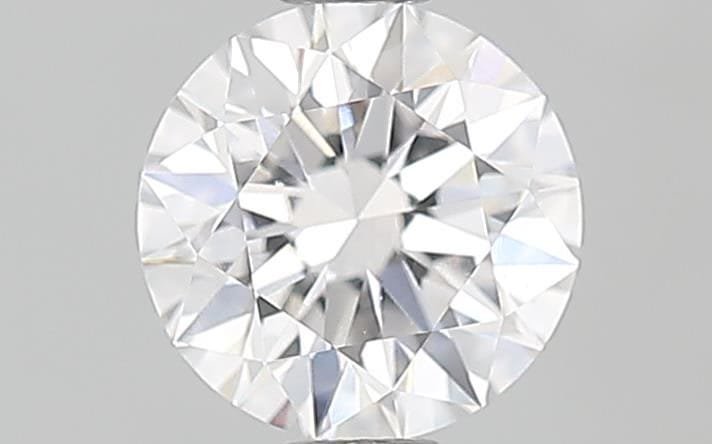
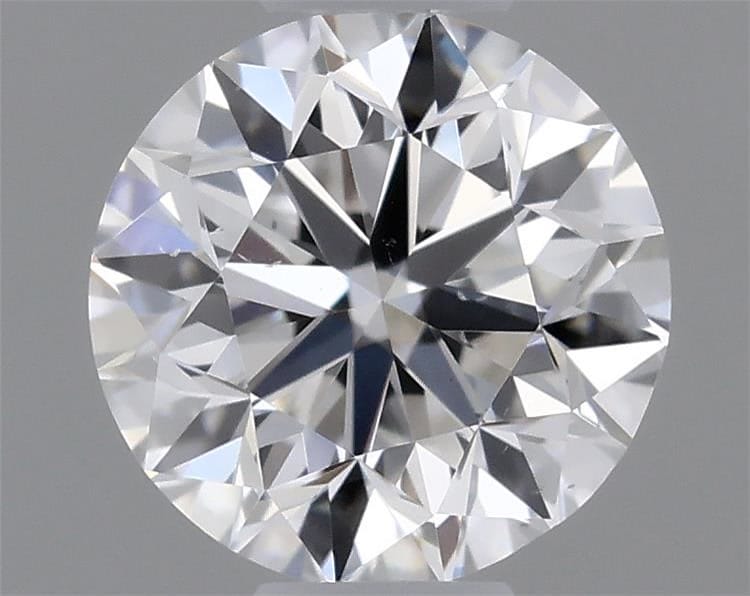
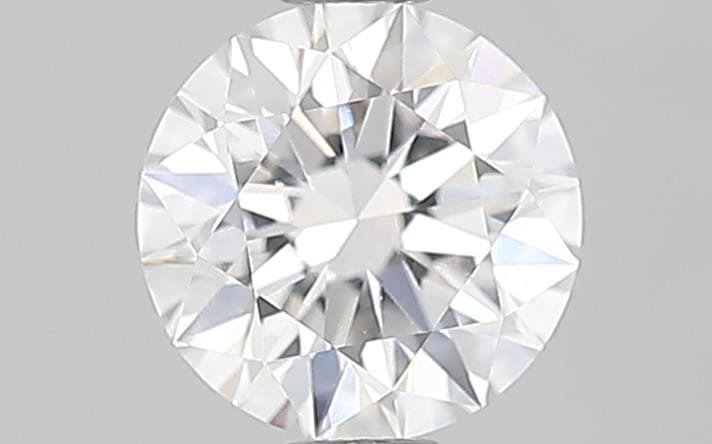
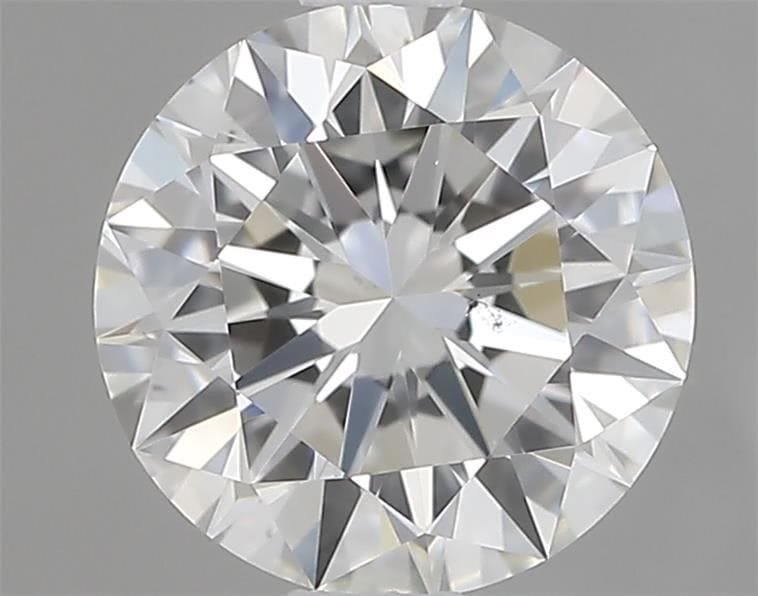
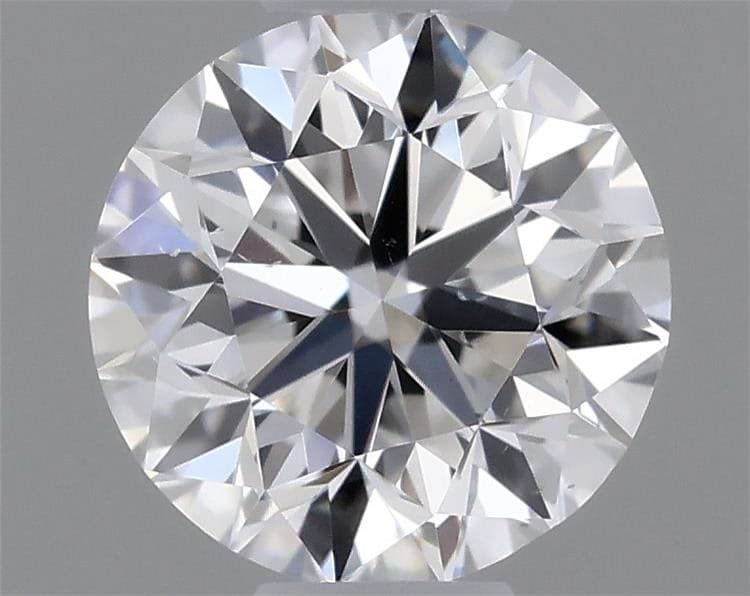
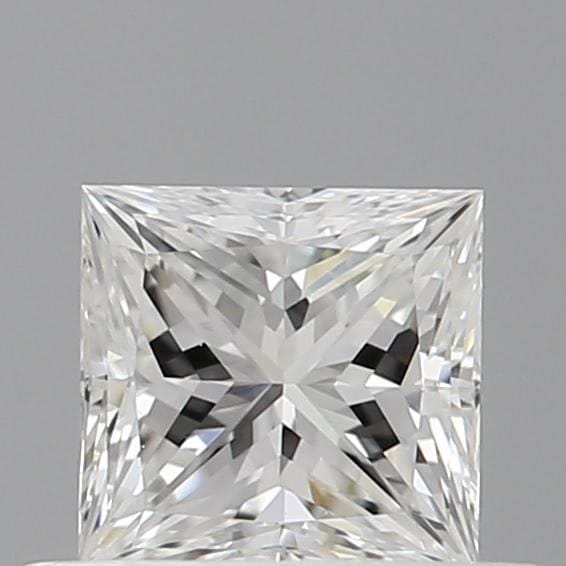
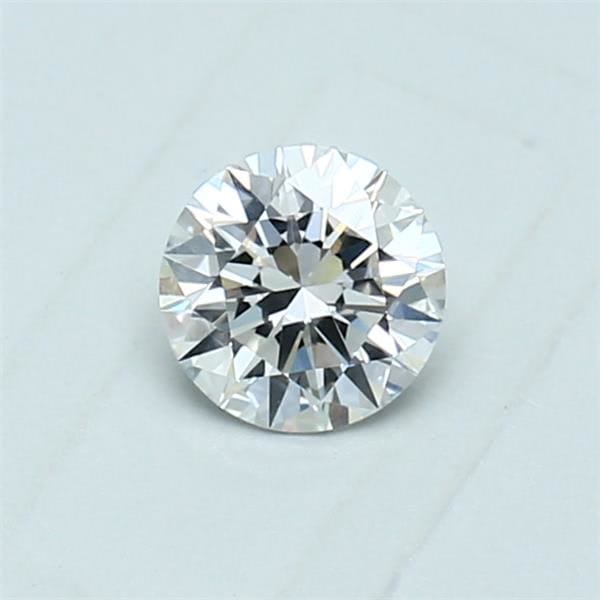
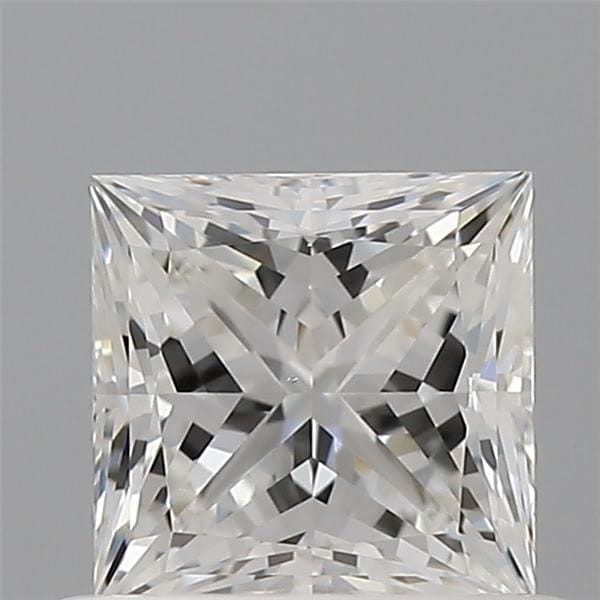
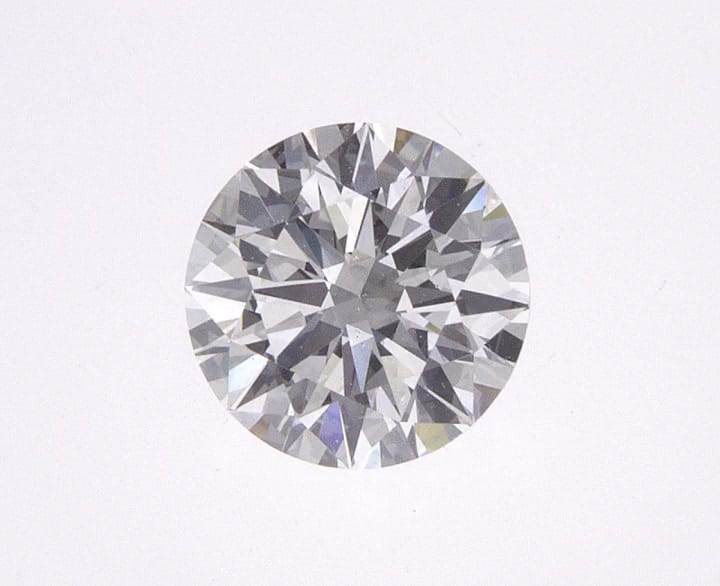
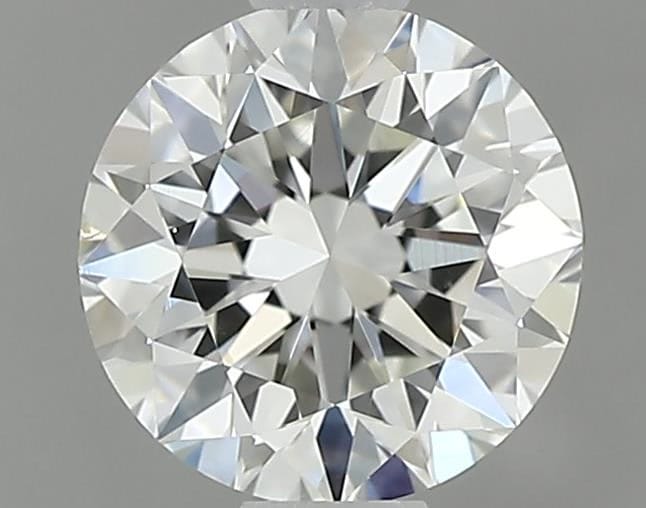
Real stones from our Beirut stock, sorted by price, each with its GIA report and a 360° video. Delivery is free and insured across Greater Beirut.
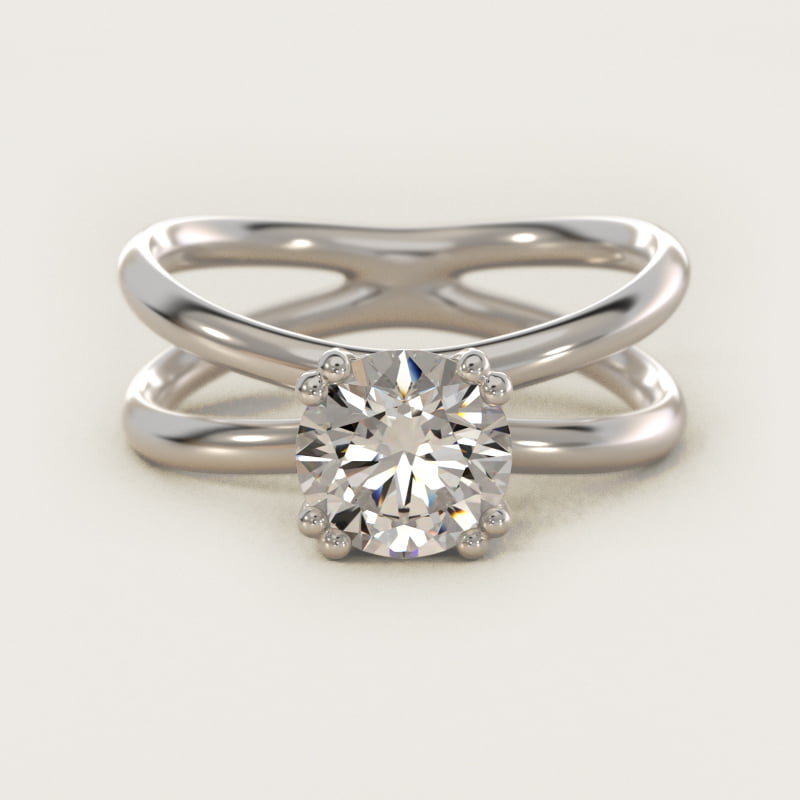
What GIA certification is, and why it is the global benchmark
The Gemological Institute of America (GIA) is the independent laboratory that created the modern grading system the whole trade now uses. When a diamond is sent to GIA, it is examined by trained graders who have no stake in selling it, and the result is a report tied to that exact stone. A GIA report is recognised by jewellers, insurers and traders across the world, which is why it has become the benchmark buyers look for. HRD, the European laboratory, is also a respected grading authority and we accept and stock HRD certified diamonds too, but GIA remains the name most people in Lebanon search for first, and for good reason.
What a GIA report actually tells you
A GIA report describes your diamond in precise, measurable terms. It records the 4Cs and the physical detail behind them:
- Carat weight, measured to the hundredth of a carat.
- Colour grade, on the D-to-Z scale.
- Clarity grade, with a plotted diagram showing the position of any inclusions.
- Cut grade for round brilliants, with measurements in millimetres and the proportions, polish and symmetry.
Read together, this is a fingerprint of your stone. It lets you compare diamonds honestly and confirm that the one you collect is the one described on the report.
What a GIA report does not tell you
This is where buyers are caught out, so we will be plain about it. A certificate confirms grades; it does not rank two stones that share the same grades. Put two diamonds in front of us with identical carat, colour and clarity, both certified, and they can still look noticeably different. One may be cut to return light beautifully while the other looks flat and lifeless. One may be eye-clean while the other shows an inclusion you can spot without a loupe. The paper will not separate them for you. That is the work of a grader’s eye, and it is why we send each stone’s 360° video and certificate on WhatsApp, so you judge cut quality and eye-clean clarity for yourself rather than buying a grade on a page.
Why an uncertified diamond is the real risk
An uncertified stone asks you to take the seller’s word for everything: its colour, its clarity, sometimes even whether it is natural at all. There is no independent document and no way to know whether the grade you were quoted would survive examination at a proper laboratory. A stone that looks like a bargain on a verbal grade can be a full grade or two below what you were told, and you only find out when you try to insure or resell it. A GIA or HRD report removes that doubt. If you want to understand the difference between the two laboratories, see GIA vs HRD.
How we sell only certified stones, and how you verify it
Everything we offer is GIA- or HRD-certified, priced transparently against the Rapaport benchmark so you can see how the figure is reached rather than being handed a number. We hold our diamonds physically in Beirut, in Bourj Hammoud, and we work online-first: you browse, compare and decide remotely, and come in person only to pay and collect, by appointment. For buyers across the diaspora, we send each stone’s 360° video and certificate on WhatsApp, so distance changes nothing about what you can see. Within Greater Beirut we arrange insured delivery in 24 to 48 hours. We never ask you to trust us on the report itself:
- You browse our GIA-certified diamonds, each one filmed in 360° video and listed with its report number.
- You take that number and verify a GIA certificate directly on the lab’s own site, with no involvement from us.
- You confirm the grades match the stone, then decide.
See the stone, verify the report, then decide
Browse the loose stones, watch the videos, verify the reports yourself, and ask us anything. When you have found the diamond, you can build your engagement ring around it with us. We are here to grade and price honestly, and to let the evidence speak for the stone.
Common questions about GIA certified diamonds
How do I check a GIA report online?
Type gia.edu into your browser yourself, open GIA Report Check and enter the report number printed on the certificate. The result should match the paper and the stone’s listing line by line: shape, carat weight to the hundredth, measurements, colour, clarity, cut and the statement that the diamond is natural. Never check through a link or QR code that arrives with the stone.
Is a GIA certificate better than an HRD certificate?
Both are independent laboratories that grade strictly, and both reports can be verified online. GIA is the most widely recognised name worldwide, which helps with insurance or resale far from Beirut, while HRD is strongest across Europe and the trade. Neither grades loosely, so buy the better stone. Our comparison of GIA vs HRD certificates goes through it line by line.
Are all your diamonds GIA certified?
No. Every diamond we sell is natural and graded by either GIA or HRD, never by an in-house laboratory. This page shows only the GIA-graded stones in our Beirut stock; the others carry an HRD report and are listed on our HRD certified diamonds page. Both kinds come with a 360° video and a report number you can check.
How is a GIA certified diamond priced?
Against the Rapaport list for its shape, carat weight, colour and clarity, exactly as an HRD stone is. Each stone’s page at diamonds.com.lb shows the Rapaport list price, our price and the difference between them, so you can compare a GIA diamond with an HRD one on the same terms and see where every price comes from.
Does a GIA report show whether a diamond is natural?
Yes. GIA issues different reports for natural and laboratory-grown diamonds, and its online report check states which one a stone is. Every diamond we sell is natural, and you can confirm that line yourself when you enter the report number. If a paper says natural but the online record says laboratory-grown, walk away from the sale.