
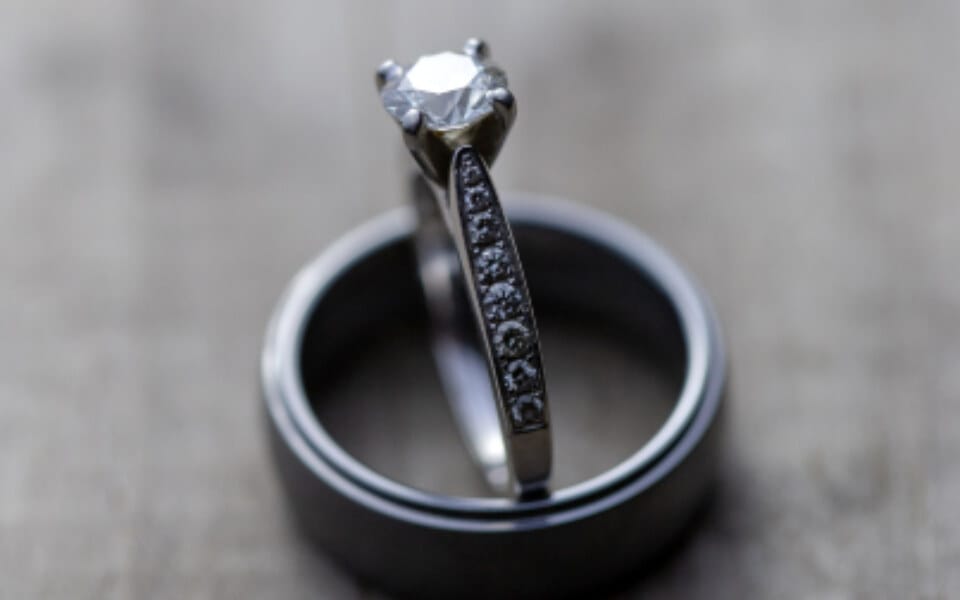
The single fastest way to narrow a diamond search is to settle the question of shape first. Of all the diamond shapes on the market, no two flatter a hand, hold their colour, or wear their carat weight quite the same. This guide sorts them by personality, strength and trade-off so you browse with intent.
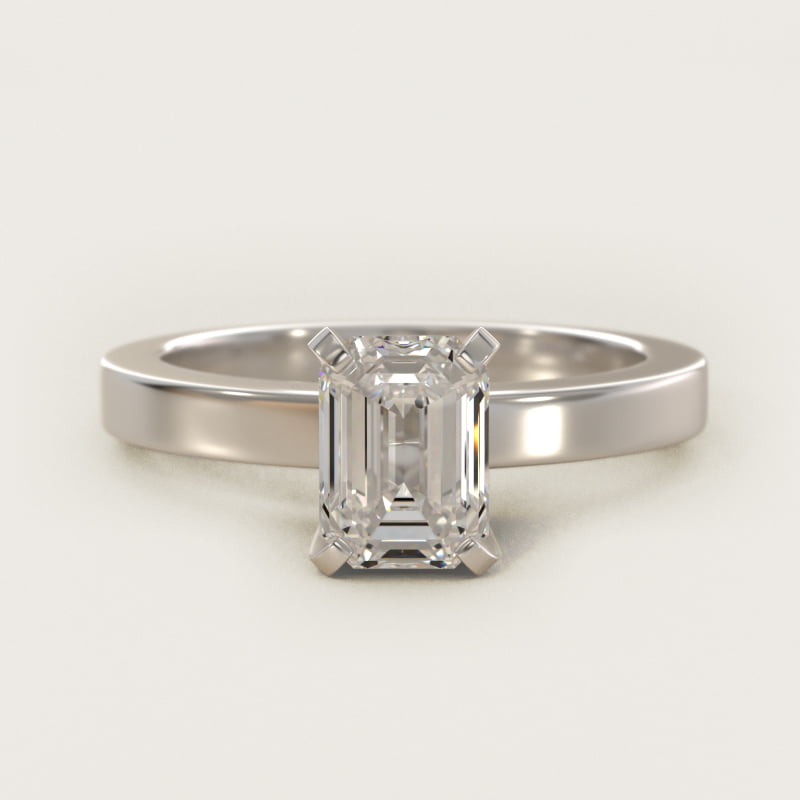
Quick answer: A diamond’s shape is its outline. Round brilliant sparkles most and costs most per carat; elongated shapes like oval and marquise look larger for their weight; step cuts like emerald show a calmer shine and reward high clarity. Choose the shape she is drawn to first, then match the best stone to it.
| Shape | Character |
|---|---|
| Round | Maximum sparkle, most popular |
| Oval | Looks larger for its weight, flattering |
| Emerald | Elegant step cut, shows clarity |
| Princess | Square, brilliant, modern |
| Cushion | Soft square, romantic, vintage feel |
| Pear | Distinctive, elongates the finger |
How to think about diamond shapes before you browse
Shape is the one diamond decision a photograph actually settles. The 4Cs describe quality you often need eyes or a loupe to judge; shape is the outline you recognise across a room, and the first thing anyone notices about a ring. Get it right and the rest of the search narrows on its own, a given shape steers you toward sensible clarity, colour and setting choices rather than away from them.
Two practical truths govern the whole field. First, the round brilliant is engineered to return more light than any other cut, which is why it sparkles hardest and hides faint body colour best, and why it costs the most per carat. Second, every shape that departs from round trades some of that brilliance for a different virtue: a longer silhouette, a softer outline, a vintage character, or simply more visible size for the money. There is no best shape, only the one that suits the wearer.
A quick tour of the popular diamond shapes
Here is the working character of each shape as the trade knows it, what it says, what it does well, and where it asks for care:
- Round brilliant: the classic, and the brightest. Maximum sparkle, the most forgiving of colour and the easiest to set well. The trade-off is plain; it commands the highest price per carat and looks the smallest face-up for its weight.
- Oval: a round’s brilliance stretched longer. It flatters and lengthens the finger and looks larger than a round of equal weight. Watch the “bow-tie”, a faint dark band across the centre that varies stone to stone.
- Princess: a sharp, modern square with strong fire and a contemporary edge. Excellent sparkle for the price. The pointed corners are vulnerable, so they want protective prongs.
- Emerald: a step cut of long, open facets that give clean flashes of light rather than fire, architectural and understated. Because those open facets hide nothing, it demands higher clarity, and it shows warmth more readily than a brilliant.
- Cushion: a soft, pillowy square with a romantic, slightly antique feel and generous fire. Warm and forgiving to set. Some cushions hold a touch of colour in the centre, so judge the individual stone.
- Pear: a teardrop, half round, half marquise, graceful and finger-lengthening. It reads larger for its weight, but the point is fragile and asks to be set straight, lest it tilt over time.
- Marquise: the maximum-size shape, a long boat with pointed ends that makes the most visible spread of any cut per carat. Dramatic and slimming on the hand, with two delicate points to protect and a bow-tie to check.
- Radiant: a brilliant-faceted rectangle that marries emerald’s elongated outline to a round’s fire. Lively, hard-wearing and forgiving of colour, with trimmed corners that survive daily life well.
- Asscher: emerald’s square cousin, a step cut with a deep, hall-of-mirrors play of light and unmistakable period charm. Like the emerald, it hides no flaws and rewards higher clarity and whiter colour.
- Heart: the most openly sentimental shape, distinctive and personal. It needs a skilled cutter for symmetry and reads best at larger sizes where the lobes and cleft stay crisp.
Which diamond shapes sparkle most, and which hide colour best
If outright sparkle is the goal, the brilliant cuts lead: round first, then oval, cushion, pear, marquise and radiant, all faceted to scatter light into the fire most people picture when they imagine a diamond. The round sits at the top because its proportions are tuned for exactly that return of light.
The same brilliance that throws fire also disguises faint body colour, which is why brilliant cuts let you drop a colour grade or two without the warmth showing. Step cuts behave differently. An emerald or asscher’s open facets act like clear windows: they neither manufacture fire nor mask anything, so any tint or inclusion is on plain view. The rule the trade follows is simple, buy step cuts a touch whiter and a grade or two cleaner than you would a brilliant of the same look.
Which diamond shapes look bigger for the carat?
Carat is weight, not size, and shape decides how that weight presents to the eye. Elongated cuts, oval, marquise, pear and emerald, spread their weight across a longer face, so they look larger than a round of identical carat and draw the eye down the finger in a flattering line. A round, by contrast, carries more of its weight in hidden depth.
This is the quiet lever budget-minded buyers reach for: choosing an elongated shape, or stepping just under a round carat milestone, can buy noticeably more presence for the same outlay. It pairs naturally with what we cover in our carat and visible-size guide, where weight, spread and the hand itself all meet.
Matching the shape to the setting and the hand
Shape and setting are a single decision, not two. A solitaire lets a distinctive outline, pear, marquise, emerald, speak for itself; a halo wraps a round or cushion in extra sparkle and apparent size; a hidden halo adds light from below without altering the silhouette. Our guide to solitaire, halo and hidden-halo settings walks through how each frames a stone, and the pointed shapes, pear, marquise, princess, heart, all ask for prongs that guard their vulnerable tips.
The hand matters too. Longer shapes tend to lengthen and slim the finger; rounds and cushions sit softly and suit almost everyone. None of this is a rule so much as a starting point, the surest test is to see the shape you favour on the hand that will wear it.
Narrowing your choice before you shop
Start from the wearer, not the chart. Ask three questions: classic or characterful, maximum sparkle or quiet elegance, and is visible size or pure brilliance the priority. Those answers usually point to two or three shapes, no more.
- Brilliant and timeless: round, or oval for a little more length.
- Elegant and understated: emerald or asscher, set whiter and cleaner.
- Vintage and romantic: cushion or asscher.
- Maximum presence per carat: marquise, pear or oval.
- Modern and crisp: princess or radiant.
In the Beirut trade we have learned that the shape someone is drawn to on sight is almost always the right one; the work is simply matching the right individual stone to it.
When you have a shape or two in mind, the search becomes pleasingly small. Read more on each outline on our diamond shapes page, then filter our collection of loose diamonds by shape to compare real stones, each with a 360° video, side by side. From there it is a short, confident step to choosing one of our engagement rings built around the stone you have chosen.