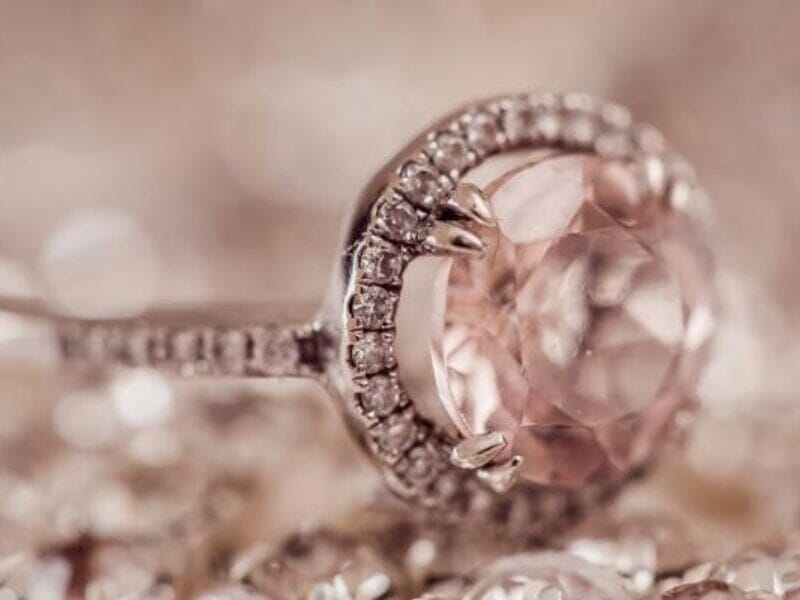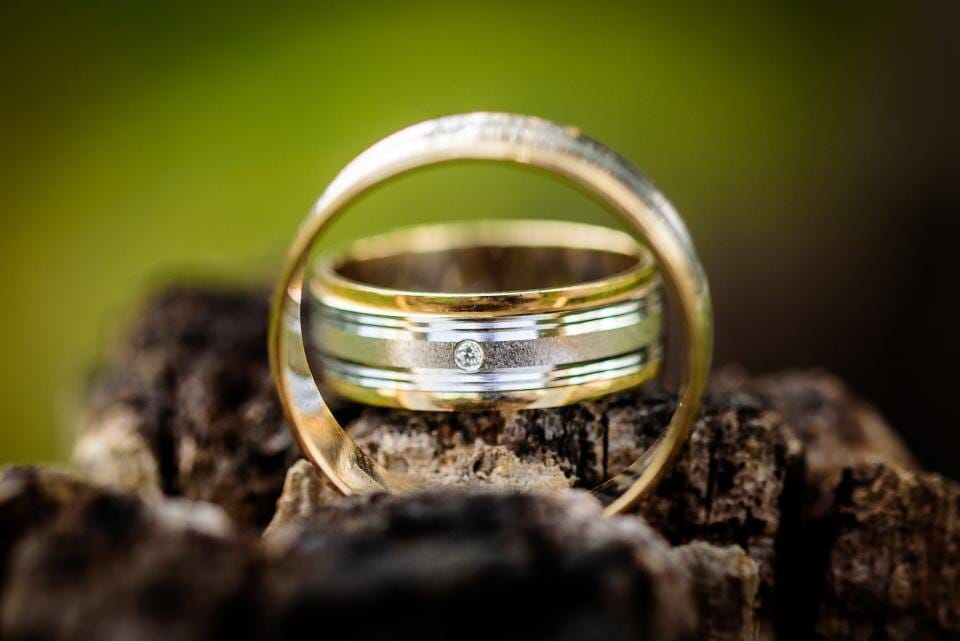
A still photograph flatters every diamond equally. The dull and the brilliant look almost the same in a single frame. Motion is where a stone stops lying, and that is why we film every diamond we sell in a slow 360° turn.
A photograph flatters; motion tells the truth
Anyone can make a diamond look beautiful in one captured instant. Catch the right flash and the right angle, and even a poorly cut stone will glitter for the camera. A photograph freezes one favourable moment and hides everything that happens before and after it.
A diamond, though, is made to be seen in motion. It earns its life by the way it returns light as it turns, the rhythm of its flashes, the contrast between bright and dark. Hold a stone still and you learn very little. Turn it slowly under good light and it tells you almost everything. The trade has long known this.
What the turn actually reveals
When a diamond rotates, three things become visible that a photograph quietly conceals:
- Cut quality. A well-cut stone throws crisp, distinct flashes, clean bursts of light and dark that snap as it moves. A poorly cut one looks glassy and sleepy, light leaking out of the bottom instead of bouncing back to your eye. Two stones with the same grade on paper can move completely differently.
- Whether inclusions ever catch the eye. A certificate plots where a stone’s inclusions sit, but it cannot tell you whether you would ever notice them. Watch the stone rotate and you find out: a truly eye-clean diamond hides its inclusions through every angle, while a stone that merely grades well may flash a dark spot as it turns.
- Haze and milkiness. Some stones look slightly cloudy or sleepy in motion, a faint veil over the brilliance, often the visible effect of strong fluorescence, which we explain in our note on fluorescence. A still image will never show you a milky stone. A turning one cannot hide it.
Video as accountability, not decoration
For us the 360° clip is not a marketing flourish. It is accountability. The video is of that stone; its inclusions, its proportions, its way of behaving under light, matched to the certificate that grades it. Inclusions are a diamond’s fingerprint; no two stones plot the same. When the clip, the certificate plot, and the stone in the box all agree, you are looking at one diamond, accounted for.
This is the opposite of how the anonymous corner of the market works. A stranger online posts a recycled render or a borrowed clip belonging to no stone in particular, a beautiful diamond, just not the one that will arrive. That gap between the footage and the goods is where the worst stories begin; we have written one out in the half-price diamond story. An honest video closes that gap on purpose.
How to watch a diamond video like a professional
You do not need a loupe or years of training to read a clip well: only to know where to look:
- Watch the contrast. Good cut shows a lively pattern of bright and dark facets, sharp and well defined. If the stone looks evenly grey or washed-out, light is escaping where it should be returning.
- Find the plotted inclusions. Open the certificate beside the video and look for the marked inclusions as the stone rotates. If you cannot see them through any angle, that is a good sign. If one winks at you, you know exactly what you are buying.
- Check the slow moments. A trustworthy clip turns slowly and steadily, in even light, with no cuts. Quick spins and busy lighting are how flaws are hidden. The slower the turn, the more confident the seller.
- Beware suspicious perfection. A clip that looks too flawless, impossibly clean, lit like a render, usually is. Real stones have character; a diamond that behaves like stock footage probably is.
Then confirm it in person
A video is the beginning of trust, not the end of it. Because we film the actual stone, the clip and certificate become a promise you can hold us to. When you see the diamond in person, or when it reaches you on delivery, it must match the footage and paper exactly, same inclusions, same fingerprint. When you are ready, you can view our loose certified diamonds, each filmed turning under honest light with the certificate that belongs to it.